

Red Panda Conservation
- ckalha
- Aug 19, 2024
- 2 min read
Updated: Aug 24, 2024
Introduction
The Red Panda (Ailurus fulgens), a small arboreal mammal native to the Eastern Himalayas, is an iconic yet elusive species. In India, Arunachal Pradesh holds a significant portion of the Red Panda's habitat, making the state crucial for its conservation. Classified as "Endangered" by the IUCN, the Red Panda faces threats from habitat loss, poaching, and climate change. Conservation efforts in Arunachal Pradesh are vital for the survival of this species and the preservation of the region's unique biodiversity.
Habitat and Distribution
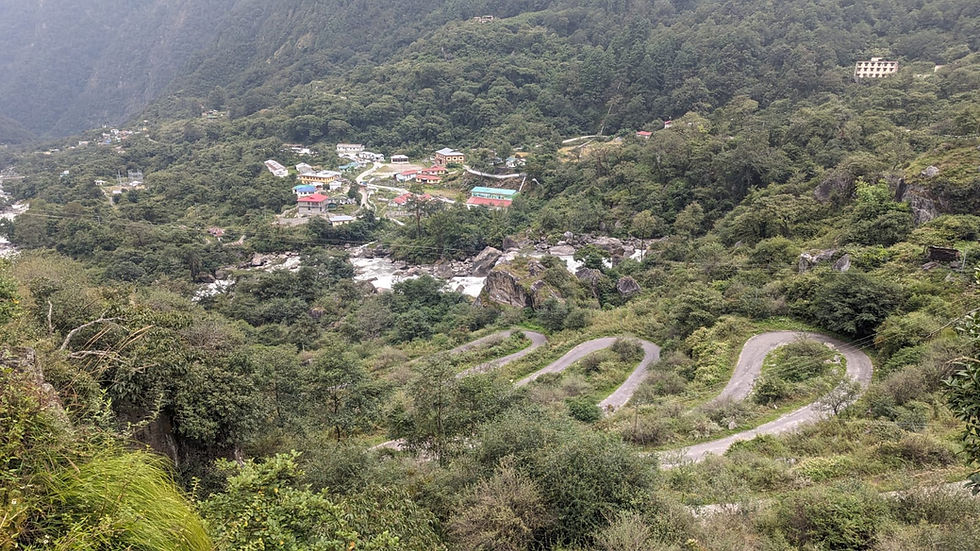
In Arunachal Pradesh, the Red Panda inhabits the temperate forests of the Eastern Himalayas, particularly in regions like Tawang, West Kameng, and West Siang districts. These forests, characterised by dense bamboo undergrowth and cool, moist climates, provide the ideal environment for the Red Panda. However, these habitats are increasingly under threat due to human activities, including deforestation for agriculture, logging, and infrastructure development.
Conservation Challenges
Habitat Fragmentation: Rapid deforestation and land-use changes have led to the fragmentation of the Red Panda's habitat, isolating populations and making it difficult for them to find food, mates, and shelter.
Poaching and Illegal Trade: Despite legal protections, Red Pandas are still hunted for their fur, and some are captured for the illegal pet trade. This further reduces their already dwindling population.
Climate Change: Changing climate patterns are altering the Red Panda's habitat, making it less suitable for their survival. Rising temperatures and erratic weather conditions are affecting the availability of their primary food source—bamboo.

Conservation Initiatives
Efforts to conserve the Red Panda in Arunachal Pradesh involve a combination of habitat protection, community engagement, and research.
Protected Areas and Community Reserves: Establishing and expanding protected areas such as national parks and wildlife sanctuaries is crucial. In Arunachal Pradesh, areas like the Eaglenest Wildlife Sanctuary and the Dibang Valley offer refuge to the Red Panda. Additionally, community-managed reserves are being promoted to involve local communities in conservation efforts.
Community Engagement: Local communities play a vital role in conservation. Programs that involve villagers in monitoring Red Panda populations, protecting habitats, and promoting sustainable livelihoods are essential. Eco-tourism initiatives, where communities benefit economically from conservation, help reduce dependency on forest resources and foster a sense of stewardship.
Research and Monitoring: Continuous research is needed to better understand the Red Panda's ecology, behavior, and population dynamics. Monitoring programs using camera traps, GPS tracking, and community-based surveys are crucial for gathering data that informs conservation strategies.
Awareness and Education: Raising awareness about the importance of Red Panda conservation among local communities, policymakers, and the general public is key to ensuring long-term success. Educational programs, workshops, and media campaigns are effective tools in this regard.
The conservation of the Red Panda in Arunachal Pradesh is not just about protecting a single species but about preserving an entire ecosystem that supports a wide range of biodiversity. By safeguarding the Red Panda, we also protect the forests, water sources, and other wildlife that are vital to the ecological health of the region. Continued support from government agencies, conservation organizations, and local communities is essential to ensure that the Red Panda continues to thrive in its natural habitat.

Comments